
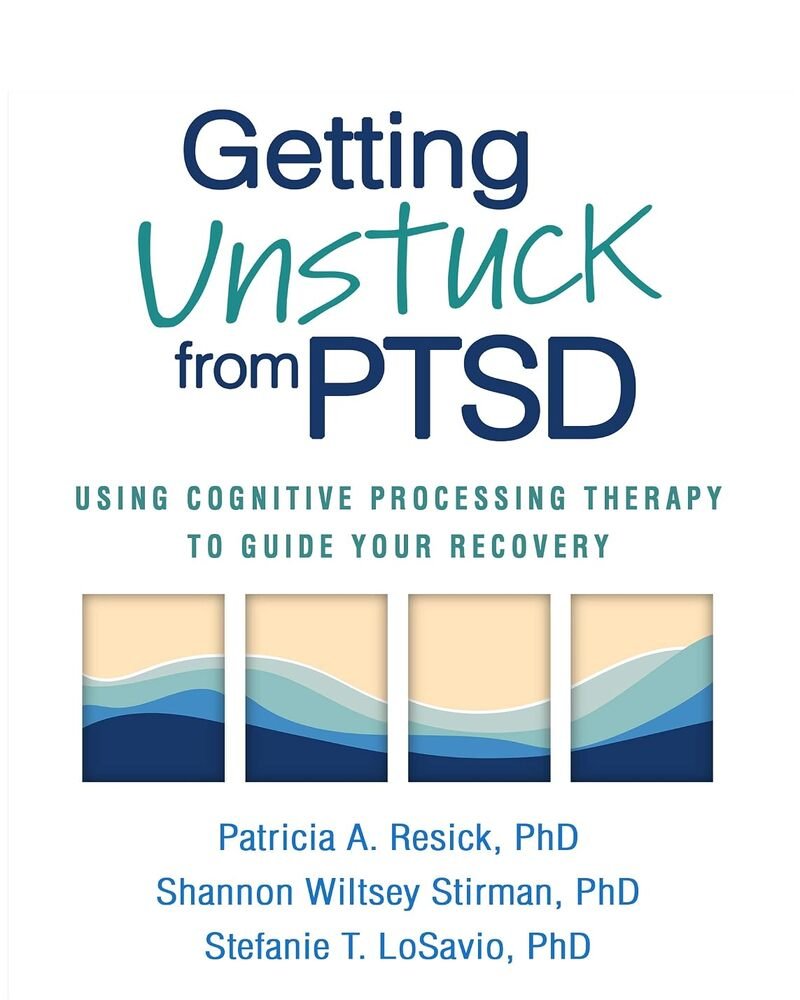


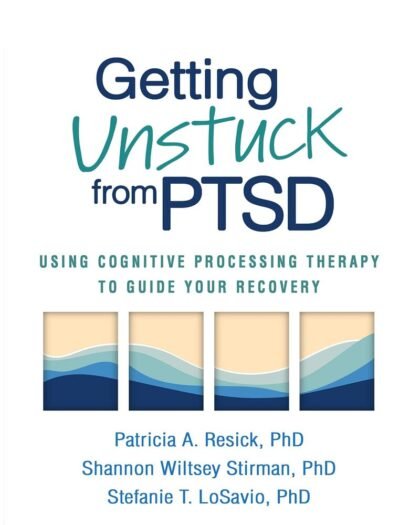
Getting Unstuck from PTSD
A step-by-step self-help workbook based on Cognitive Processing Therapy
(CPT), designed to help readers examine unhelpful trauma-related thoughts,
reduce the hold of painful memories, and move toward greater safety,
trust, and connection.
CPT
Self-Help Workbook
Step-by-Step Exercises
A Structured Path for Moving Beyond Trauma-Related “Stuck Points”
After a frightening or traumatic experience, it can be difficult to
stop second-guessing what happened, feel safe again, or return to the
places, people, and experiences that once felt normal.
Getting Unstuck from PTSD
is the first self-help workbook based on
Cognitive Processing Therapy (CPT),
one of the leading evidence-based treatments for PTSD.
Created by leading CPT authorities, including the originator of CPT,
the workbook translates the treatment model into a complete,
accessible recovery program.
CPT helps readers systematically examine the thoughts and conclusions
connected to trauma so those memories can become less overwhelming
and less controlling over everyday life.
Practical Tools to Guide the Recovery Process
Work through structured exercises designed to help identify,
examine, and rethink trauma-related beliefs.
Use structured tools throughout the program to support reflection
and track important themes in the recovery process.
Practical materials can be downloaded and printed as needed
while working through the program.
Realistic stories of people working toward recovery help make the
concepts more relatable and easier to understand.
Reexamine the Thoughts That Keep the Past Feeling Present
CPT focuses on identifying unhelpful beliefs connected to trauma
and evaluating them more carefully, helping reduce their emotional
power and influence.
“What Should I Have Done Differently?”
Explore persistent second-guessing and self-blame surrounding the traumatic event.
Avoidance & Fear
Examine patterns of avoiding reminders, places, people, or sensations connected with what happened.
Safety & Trust
Work toward rebuilding a more flexible sense of safety and trust after trauma.
Relationships & Daily Life
Consider how trauma-related beliefs may affect relationships and everyday functioning.
Move From Feeling Stuck Toward Greater Freedom
1 — Identify
Recognize the thoughts and beliefs connected to the traumatic experience.
2 — Examine
Look more carefully at whether those conclusions are accurate, balanced, and helpful.
3 — Reconsider
Develop alternative ways of understanding what happened and what it means now.
4 — Rebuild
Work toward restoring trust, connection, confidence, and engagement with life.
Build the Life You Want Now
The workbook is designed to help readers reduce the grip of
trauma-related beliefs and move toward greater psychological flexibility
in areas that PTSD can disrupt.
For Readers Looking for a Structured CPT-Based Recovery Guide
Especially relevant for people experiencing persistent
trauma-related thoughts, avoidance, fear, guilt, self-blame,
or difficulty rebuilding trust and safety after a traumatic experience.
Get Unstuck From the Past and Start Building What Comes Next
Work through a structured CPT-based program with step-by-step exercises,
practical tools, downloadable resources, and compassionate guidance
designed to support recovery.


Reviews
There are no reviews yet.