
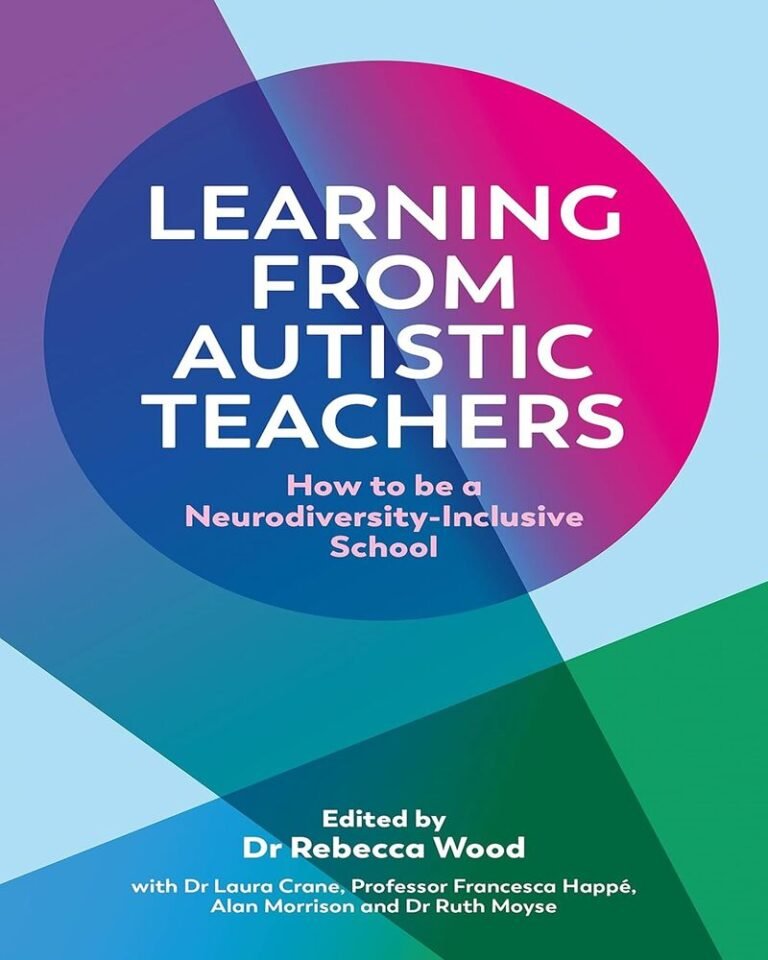





Learning From Autistic Teachers
An honest and research-informed collection in which autistic teachers
and school professionals share what helps them thrive, what pushes
skilled staff out of education, and what truly inclusive schools can do differently.
School Inclusion
Workplace Accommodations
Neurodiversity
What Can Schools Learn From Autistic Educators Themselves?
Developed from a pioneering research project,
Learning From Autistic Teachers
brings together the voices of autistic teachers and other autistic
school professionals to examine both the challenges and successes
of working in education.
Contributors challenge assumptions and stereotypes while showing
the distinctive strengths autistic staff can bring when their
environments allow them to work in ways that respect their needs.
The book looks beyond individual experience to ask a broader question:
what does a genuinely neurodiversity-inclusive school look like?
A neurodiversity-inclusive school also considers the needs,
strengths, and working environments of autistic teachers
and other autistic professionals.
From Exclusion to Meaningful Inclusion
Explore how school environments, expectations, and workplace
culture can affect autistic professionals’ sense of belonging and identity.
Consider how greater understanding can create workplaces
where autistic staff are supported rather than expected to constantly adapt.
Examine how autistic identity interacts with other aspects
of identity and professional experience.
Identify practical ways schools can remove barriers and make
inclusion part of everyday professional culture.
What Autistic Staff Can Bring to Schools
The book does not focus only on barriers. It also highlights
the unique professional strengths autistic educators may bring
when their needs are understood and accommodated.
Connecting With Neurodivergent Pupils
Lived experience can support meaningful understanding and connection with neurodivergent students.
Passion & Deep Subject Knowledge
Intense interests can translate into enthusiasm, expertise, and compelling subject teaching.
Leadership Skills
The contributors also demonstrate how autistic professionals can bring distinctive strengths to school leadership.
Why Skilled Autistic Professionals Can Be Pushed Out of Education
The book examines how workplace structures and expectations
can unintentionally exclude autistic staff, contributing to talented
teachers and other professionals leaving education.
Accommodations Can Help Keep Skilled Educators in the Profession
1 — Recognise the Barrier
Look beyond individual performance to identify aspects of the workplace that may be unnecessarily excluding staff.
2 — Listen to Autistic Staff
Make lived experience part of conversations about inclusion and professional support.
3 — Accommodate
Adjust workplace practices where possible so staff can contribute without unnecessary barriers.
4 — Retain Talent
Create environments where skilled teachers and professionals have more opportunity to remain and thrive.
A Neurodiversity-Inclusive School Benefits More Than One Group
By listening to autistic educators and creating more inclusive
working environments, schools can support staff, strengthen
professional culture, and deepen understanding of neurodivergent pupils.
For Anyone Shaping the Culture of a School
A valuable resource for professionals interested in neurodiversity,
staff inclusion, educational leadership, and creating more sustainable
working environments within schools.
Learn From the Educators Schools Cannot Afford to Overlook
Explore autistic teachers’ lived experiences, workplace barriers,
professional strengths, practical accommodations, and strategies
for creating more genuinely neurodiversity-inclusive schools.


Reviews
There are no reviews yet.