
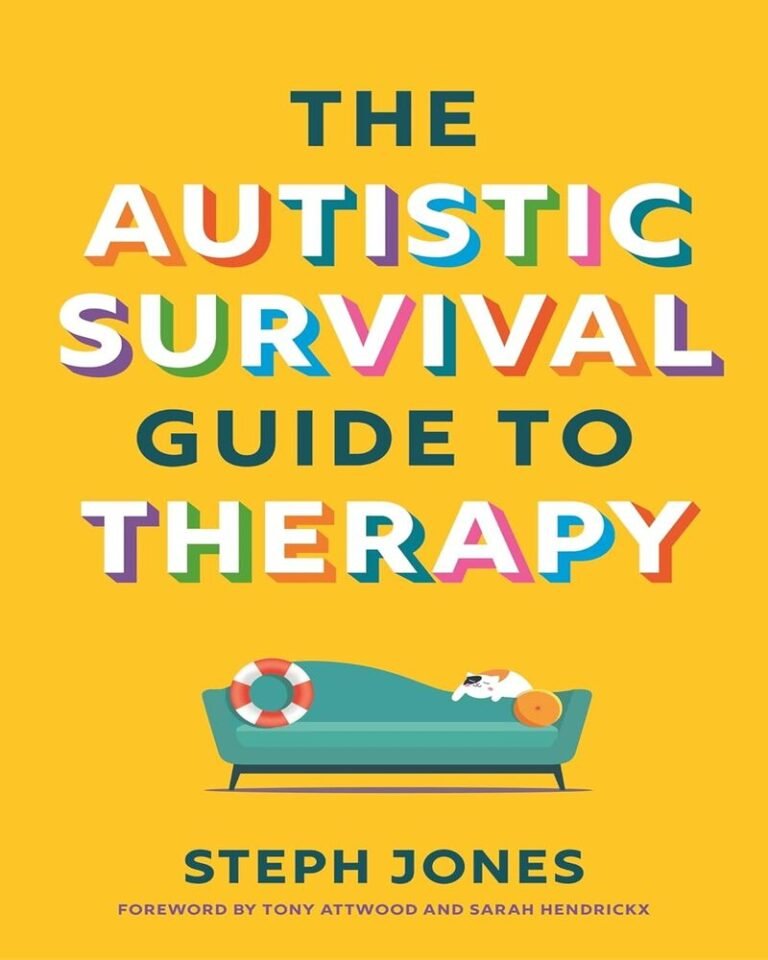



The Autistic Survival Guide to Therapy
A candid, practical, and neurodivergence-affirming guide to navigating
therapy — from recognising red flags and setting boundaries to finding
safer, more supportive therapeutic relationships.
Therapy Red Flags
Boundaries
For Therapists Too
Therapy Through an Autistic Lens
Drawing on her professional experience as a therapist and her lived
experience as a late-diagnosed autistic woman,
Steph Jones
takes an honest look at what therapy can feel like when neurodivergence
is misunderstood or overlooked.
The book combines personal insight, perspectives from therapists around
the world, and input from the autistic community to explore how therapy
can become more
safe, inclusive, and neurodivergence-affirming.
It is written both for autistic people trying to navigate therapy
and for clinicians who want to understand how autism may show up
in the therapeutic space.
This book helps readers recognise when therapy is not working,
understand what supportive practice can look like, and build greater
confidence in asking for what they need.
Know When the Therapeutic Relationship Is Not Right
Learn to recognise behaviours and practices that may leave
autistic clients feeling misunderstood or unsupported.
Understand how unexamined expectations about communication,
behaviour, and emotional expression can affect therapy.
Build confidence in recognising when a therapist or therapeutic
approach may not be the right fit.
Find Your Confidence, Voice & Boundaries in Therapy
The book offers practical guidance for navigating therapy
more intentionally and advocating for a therapeutic environment
that feels safer and more supportive.
Build Confidence
Feel more prepared to ask questions and express what does or does not work for you.
Set Appropriate Boundaries
Develop clearer expectations and boundaries within the therapeutic relationship.
Ask Better Questions
Know what to explore when considering a new therapist or therapeutic approach.
Find a Safer Therapeutic Fit
Look for approaches and clinicians that respect neurodivergent needs and experiences.
What Can More Inclusive Therapy Look Like?
Steph explores how therapists can create safer spaces for autistic
people by recognising neurodivergent ways of communicating,
processing, relating, and responding within therapy.
See Therapy Sessions Through a Neurodivergent Lens
A dedicated context guide deconstructs therapy sessions to help
clinicians recognise how diagnosed or undiagnosed autism may
present in the therapeutic space.
Useful for Autistic People and the Therapists Who Support Them
The book bridges personal experience and professional practice,
helping autistic readers navigate therapy while also helping
clinicians rethink how therapy can better accommodate
neurodivergent clients.
A Guide for Both Sides of the Therapy Room
Particularly relevant for readers seeking a more informed,
neurodivergence-affirming understanding of therapy and the
therapist-client relationship.
Navigate Therapy With More Clarity, Confidence & Choice
Explore red flags, safer therapeutic relationships, practical
boundaries, autistic lived experience, and guidance for creating
more neurodivergence-affirming therapy.


Reviews
There are no reviews yet.